Concrete Slabs in Seattle
 Seattle ConcreteCONTRACTORS
(206) 566-0528
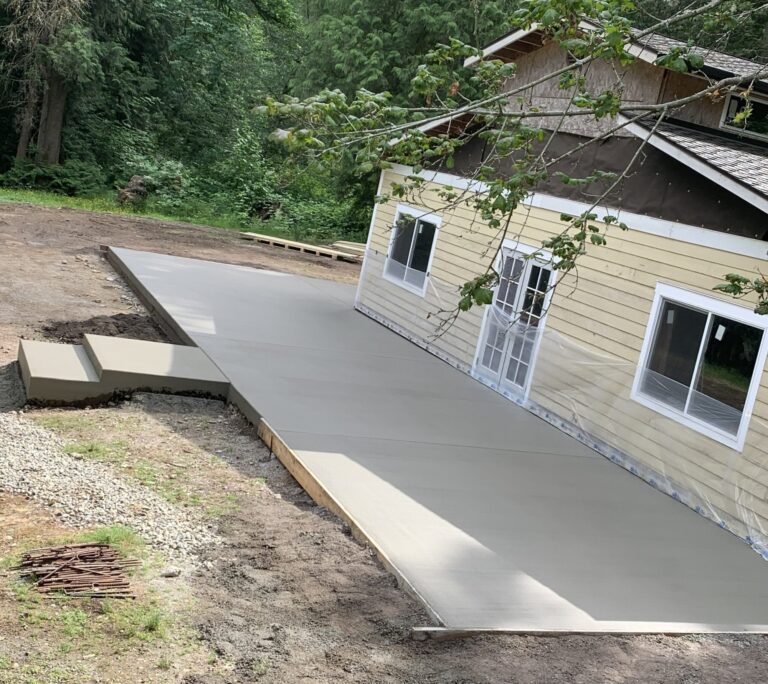
Garage floors, shed and studio pads, ADU slabs, hot tub and equipment pads, poured flat on a base that won’t settle.
- Base and compaction sized to the load
- Vapor barrier and thickened edges where needed
- Flat or sloped to drain, as the use needs
Get a slab quote
Tell us about the project. We’ll call or email to talk it through.
What to know about concrete slabs in Seattle
A slab is the simplest thing we pour and the easiest to get wrong. Flatness, thickness, base and edges change with what sits on it: a hot tub, a car, a shed, or a living space. We start with the use and the soil, then size the slab to match.
Garage slabs
Thickened edges, reinforcement and a slope toward the door.
Shed and studio pads
Level pads sized for the building.
ADU and cottage slabs
Slab-on-grade foundations poured to plan.
Hot tub pads
Flat, reinforced pads that carry a filled tub.
Equipment pads
Pads for heat pumps, generators and bins.
Basement and interior floors
Replacement floors where access allows.
Options to talk through
| Slab | Typical use | Keep in mind |
|---|---|---|
| Utility / shed slab | Sheds, bins, equipment | Simple base and broom finish |
| Garage slab (monolithic) | Garages and carports | Thickened edges, rebar grid, vapor barrier |
| Slab-on-grade foundation | ADUs and additions | Built to plans and inspected |
| Hot tub pad | Spas | Flat and reinforced for heavy point loads |
How Seattle’s ground and weather affect concrete slabs
Base
Topsoil and soft fill are removed and replaced with compacted gravel; wet sites may need more.
Vapor barrier
Under any slab that will be enclosed, a vapor barrier keeps ground moisture out.
Slope or flat
Garage and patio slabs drain; slabs under buildings are flat.
Permits
Slabs for ADUs and garages are part of the building permit through SDCI. Simple pads often aren’t.
Soil
Seattle’s mix of till and fill means a soils question on any slab with a history of settling nearby.
Access
Back-yard slabs may need a pump or wheelbarrows.
Planning a new slab in Seattle?
Call to talk it through, or send a few details and photos.
How the job runs
- Use and sizeWhat sits on it and how big.
- Excavate and baseDig out, compact gravel, set vapor barrier.
- Forms and steelEdges, thickening and reinforcement.
- Pour and finishPour, finish to use, cure.
What concrete slabs typically cost in the Seattle area
Ballpark numbers help you plan a budget before anyone visits. Use them as a starting point, not a promise.
| Slab | Typical range |
|---|---|
| Basic utility or shed slab | from about $5 per sq ft |
| Garage slab (monolithic) | from about $7 per sq ft |
| Slab-on-grade with base, vapor barrier and rebar | $6–$14 per sq ft |
Typical market ranges, not a quote from Seattle Concrete Contractors. These are ranges other Seattle-area concrete contractors publish for this work (Seattle-WA-Concrete and Seattle Concrete (seattleconcrete.com) published price guides, checked November 2026). Your price depends on size, access, removal, base work, finish and permits. We give a written quote after we understand the job.
What affects the price
These are the things that move a quote most, in roughly the order they matter.
Thickness
Garage and ADU slabs are thicker than shed pads.
Base
Soft ground means more gravel.
Access
Pumping into back yards adds cost.
Removal
Breaking out an old slab adds labor.
Edges and steel
Thickened edges and rebar grids.
Finish
Smooth trowel for interiors, broom outside.
What a good written quote should include
Whoever you hire, ask for these in writing. They’re what separate a slab that lasts from one that cracks in two winters.
Scope and size
The area, thickness and shape, so you can compare quotes on the same job.
Base and drainage
How deep the excavation goes, how much gravel, and where water goes.
Reinforcement and joints
Rebar or mesh, dowels into existing concrete, and joint spacing.
Finish and sealing
The finish, whether it’s sealed, and what upkeep to expect.
Removal and cleanup
Demolition, haul-away and site restoration.
Permits and schedule
Which permits apply, who pulls them, and cure time before use.
Concrete Slabs: common questions
How thick should a slab be?
It depends on the use: shed pads are thinner than garage floors, and structural slabs follow the plans.
Do I need a permit for a slab?
Slabs for garages, ADUs and enclosed buildings are part of a building permit. Simple pads and patios often aren’t.
Do I need a vapor barrier?
Under anything enclosed, yes. Outdoors, it depends.
Can you pour a hot tub pad?
Yes, flat and reinforced, with access for the delivery.
Can you pour in winter?
Yes, with planning: blankets, timing around rain and cold, and longer cures.
How soon can I build on it?
Light framing can often start within days; heavy loads wait longer.
Other areas we serve
Concrete Slabs planning notes, permits and local conditions for each city we cover.
 Slabs in Bellevue
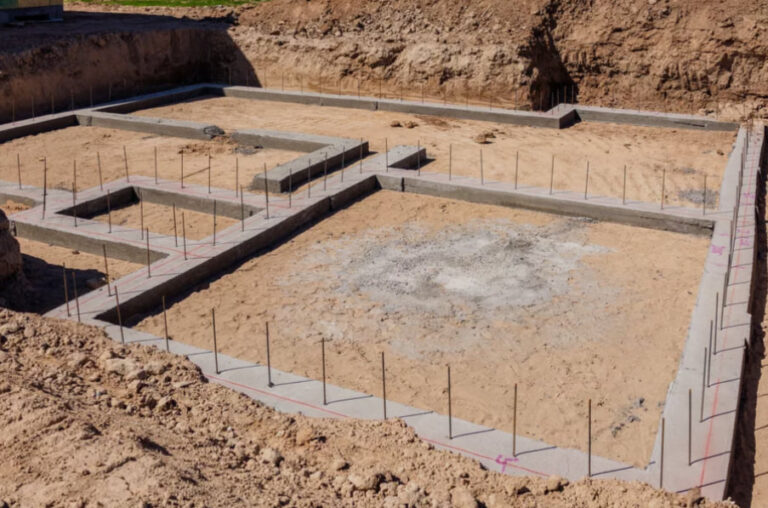
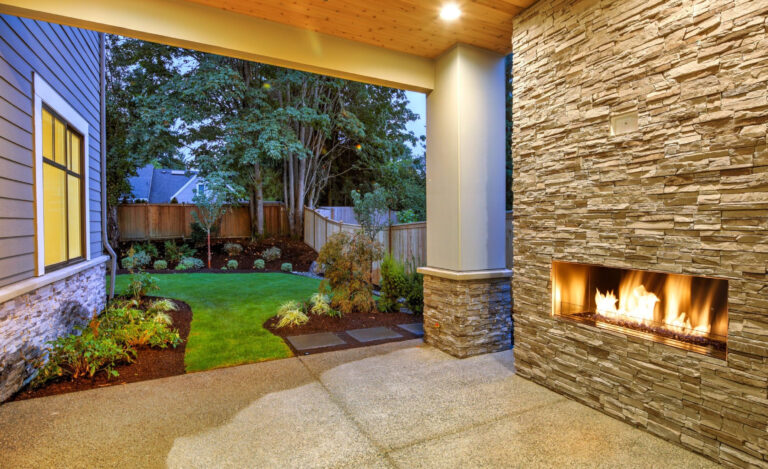
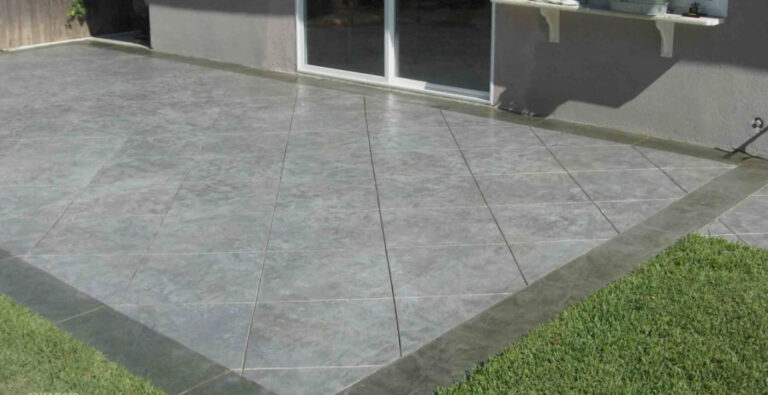
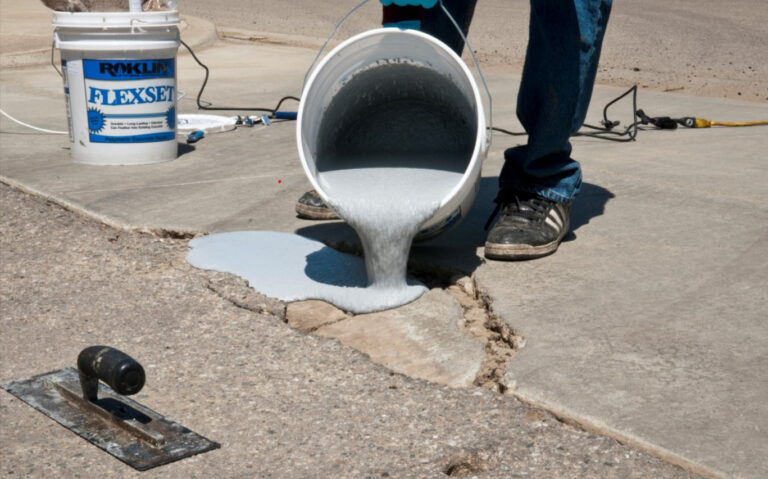
Photos are illustrative, not completed projects of ours.
 Concrete Patios
 Concrete Driveways
 Concrete Repair & Leveling
Tell us about your project
A few photos and rough measurements are enough to start. If you’re not sure what the job needs, describe the problem and we’ll talk it through.
Call (206) 566-0528 or use the quote form at the top of this page.
Find us on Google Maps
Seattle Concrete Contractors | (206) 566-0528 | Seattle, WA